
Diesel Truck Maintenance Checklist for Fleet Managers in Westfield, MA
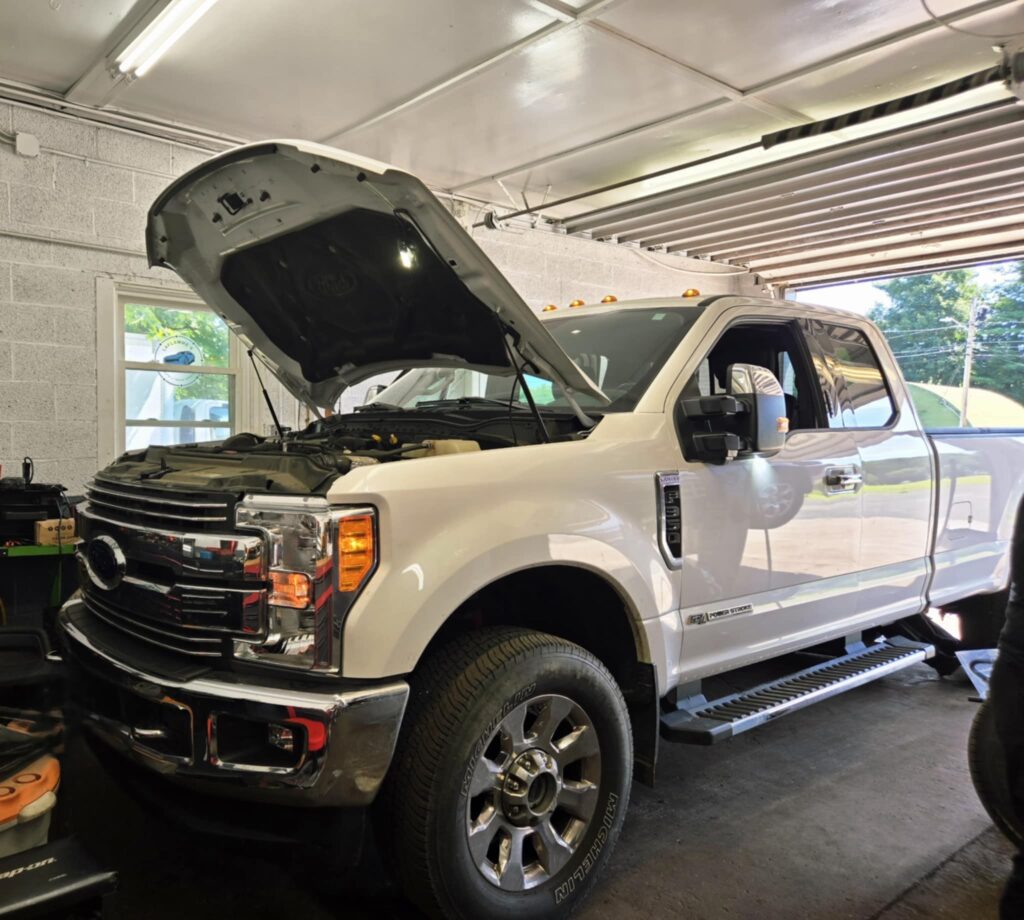
How do successful fleet managers keep their diesel trucks running past 500,000 miles while competitors struggle with constant breakdowns? The answer isn’t luck or newer vehicles, it’s a systematic maintenance approach that catches problems early and prevents expensive failures.
This comprehensive checklist from LaFlamme’s Auto & Truck Services breaks down exactly what your diesel fleet needs and when it needs it. From quick daily driver checks to strategic quarterly services that protect critical systems, we’ll show you how to build a maintenance program that reduces downtime, extends vehicle life, and keeps your operation profitable. Discover the maintenance tasks most fleet managers miss and learn how to create a schedule tailored to your specific operating conditions in Westfield, MA, and surrounding communities.
Why Diesel Fleet Maintenance Directly Impacts Your Bottom Line
Diesel engines are built for durability and heavy workloads, but they demand consistent attention to deliver on that promise. When you manage multiple vehicles, small problems multiply quickly.
The Real Cost of Neglect:
- Late deliveries damage customer relationships
- Emergency repairs cost 3-5 times more than preventative maintenance
- Poor fuel efficiency adds up across your entire fleet
- Reduced vehicle lifespan means earlier replacement cycles
- Safety risks for drivers on the road
A well-maintained diesel truck can easily surpass 500,000 miles, but only when you stay ahead of wear and tear. Smart maintenance also helps you meet regulatory requirements and keeps insurance costs manageable.
Daily and Weekly Checks Your Drivers Should Never Skip
Your drivers are your first line of defense against developing problems. Training them to perform basic inspections catches issues before they become roadside emergencies.
Morning Walkaround (5 minutes):
- Tire pressure and visible damage
- Fluid leaks under the vehicle
- All lights and signals functioning
- Coolant and oil levels before starting
- Unusual sounds during startup
Weekly Detailed Review:
- Belt condition and tension
- Battery terminals for corrosion
- Air filter status
- DEF levels and quality
- Brake pad thickness through wheels
These quick checks prevent hours of downtime and create documentation valuable for warranty claims and tracking patterns across your fleet.
Monthly Maintenance That Prevents Major Problems
Monthly services address components that wear gradually and cause unexpected failures when ignored.
Fuel System Protection
Water contamination damages injectors and causes poor performance. Drain water separators completely, replace fuel filters based on operating conditions, and inspect fuel lines for wear. Trucks operating in dusty environments or idling frequently need more aggressive schedules.
Critical Lubrication Points
Grease all fittings every month or 5,000 miles:
- Steering linkage and ball joints
- U-joints on driveshafts
- Suspension pivot points
- Fifth wheel components (if applicable)
Battery Health and Tire Rotation
Test battery charge levels and clean terminals monthly. Cold weather is particularly hard on diesel starting systems. Rotate tires every 5,000-8,000 miles to extend life and improve handling. Uneven wear indicates alignment or suspension issues needing immediate attention.
Quarterly Deep Maintenance Services
Every three months or 10,000-15,000 miles, your diesel trucks need comprehensive service that catches developing problems.
Oil and Filter Services: Diesel engines work harder than gasoline engines and break down oil faster. Using OEM or OEM-equivalent synthetic or synthetic blend oils that meet manufacturer specifications protects your investment. Regular oil analysis reveals developing engine problems before they cause damage.
Essential Fluid Services:
- Transmission Fluid: Check for burning smell or dark color
- Differential Fluid: Critical for loaded vehicles
- Brake Fluid: Moisture contamination reduces effectiveness
- Power Steering Fluid: Dark fluid indicates contamination
- Transfer Case Fluid: For four-wheel-drive models
Filter and Brake System Work: Replace both primary and secondary air filters when needed. Restricted airflow reduces power and fuel efficiency. Commercial brake systems need thorough inspections beyond pad thickness, including rotor thickness measurements to determine replacement needs, brake lines, and fluid moisture content.
What Most Fleet Managers Miss (But Shouldn’t)
Here’s where many maintenance programs fall short, and it costs them significantly over time.
Tracking Maintenance Across Your Entire Fleet
Individual vehicle records matter, but fleet-wide patterns reveal more. When three trucks show similar wear at similar intervals, you’ve identified a systemic issue. Digital vehicle inspections using industry-leading software provide detailed documentation that helps you spot these patterns before they multiply.
The Hidden Value of Preventative A/C Service
Most fleet managers think of A/C as a comfort issue, not a maintenance priority. But working A/C keeps drivers alert during long shifts. More importantly, A/C problems often indicate electrical issues affecting other systems. Modern diesel trucks use both R134A and R1234YF refrigerants, and servicing requires proper equipment for both systems.
Why Your Inspection Strategy Needs Updating
Massachusetts requires annual state inspections for commercial vehicles, but smart fleet managers do more. Pre-trip inspections document vehicle conditions before long hauls. Pre-purchase inspections prevent buying someone else’s problems.
Licensed inspection stations for light and medium-duty diesel fleet vehicles examine complete brake systems, steering and suspension components, lighting and electrical systems, frame integrity, exhaust condition, and tire tread depth.
Annual Comprehensive Service Requirements
Once yearly, schedule thorough inspections examining every system on your trucks.
Cooling System Service:
- Pressure testing for leaks
- Thermostat and radiator cap inspection
- Coolant pH and freeze point testing
- System flush and refill
Suspension and Emissions: Heavy loads and constant road impacts wear suspension parts. Annual inspections catch worn ball joints, tie rod ends, control arm bushings, and shock absorbers before they fail. Modern diesel exhaust systems include expensive Diesel Particulate Filters and Selective Catalytic Reduction systems that need professional-grade diagnostic equipment to monitor properly.
Common Diesel Problems and Early Warning Signs
Understanding typical diesel issues helps you recognize problems early and schedule repairs strategically.
Watch For These Issues:
- Fuel System Failures: Rough idle, hard starting, and white smoke indicate contaminated fuel or failing injectors
- EGR System Problems: Reduced power, rough idle, and increased fuel consumption signal carbon buildup
- Turbocharger Wear: Blue smoke, power loss, and whistling sounds mean bearing failure is developing
- DPF Regeneration Issues: Trucks that idle excessively don’t reach temperatures for automatic regeneration, causing clogged filters
Ready to establish a maintenance schedule that works for your fleet? Call LaFlamme’s Auto & Truck Services at 413-562-9509 to discuss your specific needs and operating conditions.
Building a Custom Maintenance Schedule for Your Operation in Westfield
Generic maintenance schedules don’t account for your specific conditions. Consider average daily mileage, load weights, operating environment, seasonal demands, driver experience levels, and vehicle age. Smart scheduling balances cost-effectiveness with reliability while helping you budget for upcoming needs.
Why LaFlamme’s Auto & Truck Services for Your Fleet Needs
When you’re responsible for keeping multiple vehicles operational, you need a repair shop that understands commercial demands. Located at 33 Fairfield Ave in Westfield, we’ve built our reputation on honesty, integrity, and customer service.
Our Fleet Advantages:
- ASE, GM, and Ford Certifications: Trained technicians who understand diesel systems
- Professional-Grade Equipment: Advanced diagnostic scanners and TPMS tools for accurate diagnostics
- Complete A/C Service: Both R134A and R1234YF capabilities
- 2-Year, 24,000-Mile Warranty: Parts and labor coverage
- Flexible Scheduling: Online booking and after-hours drop-off
- Carfax Reporting: All work documented to maintain resale value
- Licensed Inspection Station: State inspections for light and medium-duty diesel fleet vehicles
We serve Westfield, Russell, Huntington, Blandford, and the Hill Towns. As active members of the Greater Westfield Chamber of Commerce and supporters of St. Mary’s Church, Westfield Little League Baseball, and Laundry Love, we’re invested in this community.
FAQs About Diesel Fleet Maintenance in Westfield, MA
What is a good preventative maintenance schedule for a diesel truck?
A comprehensive schedule includes daily driver inspections, oil changes every 5,000-7,500 miles depending on usage, fuel filter replacement every 10,000-15,000 miles, and complete system inspections every 30,000 miles. Severe duty operations require more frequent intervals to prevent premature wear and unexpected breakdowns.
How often should a diesel truck get a grease job?
Diesel trucks should receive thorough greasing every month or 5,000 miles, whichever comes first. Commercial applications with heavy loads or frequent turning need even more attention. Proper lubrication prevents wear on expensive ball joints, tie rods, and U-joints.
What are the most common diesel engine problems?
The most common problems include fuel injector failures from contaminated fuel, turbocharger wear from inadequate oil changes, EGR valve carbon buildup, and DPF clogging in trucks that don’t complete full regeneration cycles. Regular maintenance and high-quality diesel fuel prevent most major issues.
How can I reduce unexpected downtime in my diesel fleet?
Reducing downtime requires proactive maintenance before problems develop, training drivers to recognize warning signs, maintaining detailed service records, and establishing relationships with qualified diesel repair facilities. Digital vehicle inspections and oil analysis programs identify developing issues before they cause breakdowns.
What's the difference between light-duty and medium-duty diesel maintenance?
Light-duty diesel trucks under 10,000 pounds follow schedules similar to heavy-duty gasoline trucks but with diesel-specific services like fuel filter changes and DEF system maintenance. Medium-duty diesels over 10,000 pounds require more frequent brake inspections and stronger transmission service schedules due to heavier loads and commercial demands.
Schedule Your Diesel Truck Repair in Westfield, MA Today
Ready to keep your diesel fleet running at its best? Schedule your fleet maintenance services today with our trusted team. We understand the demands commercial vehicles face and provide honest, professional service that keeps your trucks on the road.
Visit us at 33 Fairfield Ave, Westfield, MA 01085, or call us at 413-562-9509 to discuss your fleet’s specific needs. We also serve Russell, Huntington, Blandford, and the Hill Towns with convenient online booking and after-hours drop-off options. Let us help you protect your investment and maintain the reliable fleet your business depends on.